Standing at an Estuary…
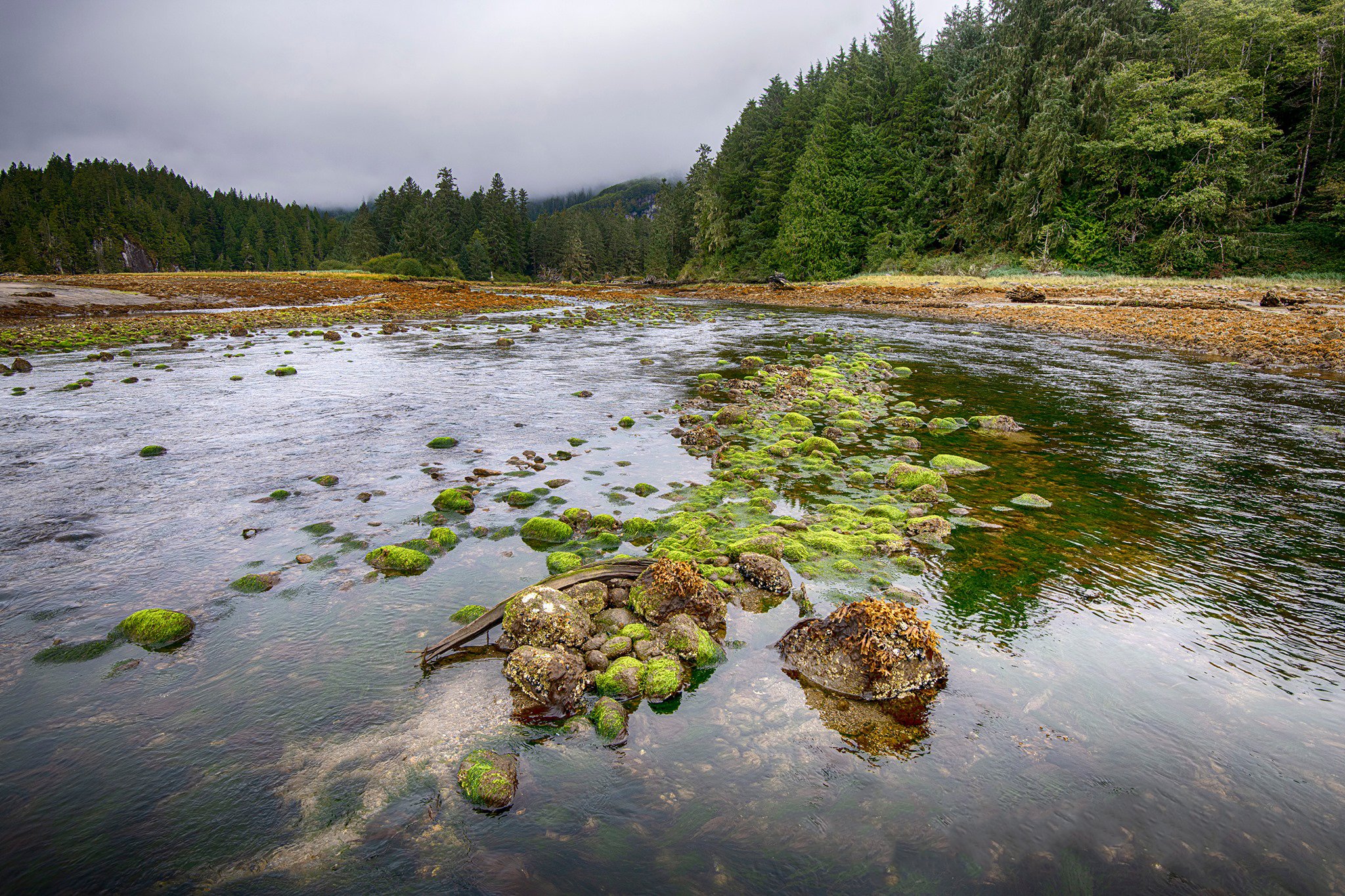
Standing at an estuary, you can feel the meeting of worlds. The smell changes. The soundscape shifts. Birds appear—shorebirds probing mudflats, eagles waiting patiently, herons standing impossibly still. Fish move through unseen, adjusting to the chemistry of change. This is not a border; it is a conversation. One that has been going on for thousands of years.
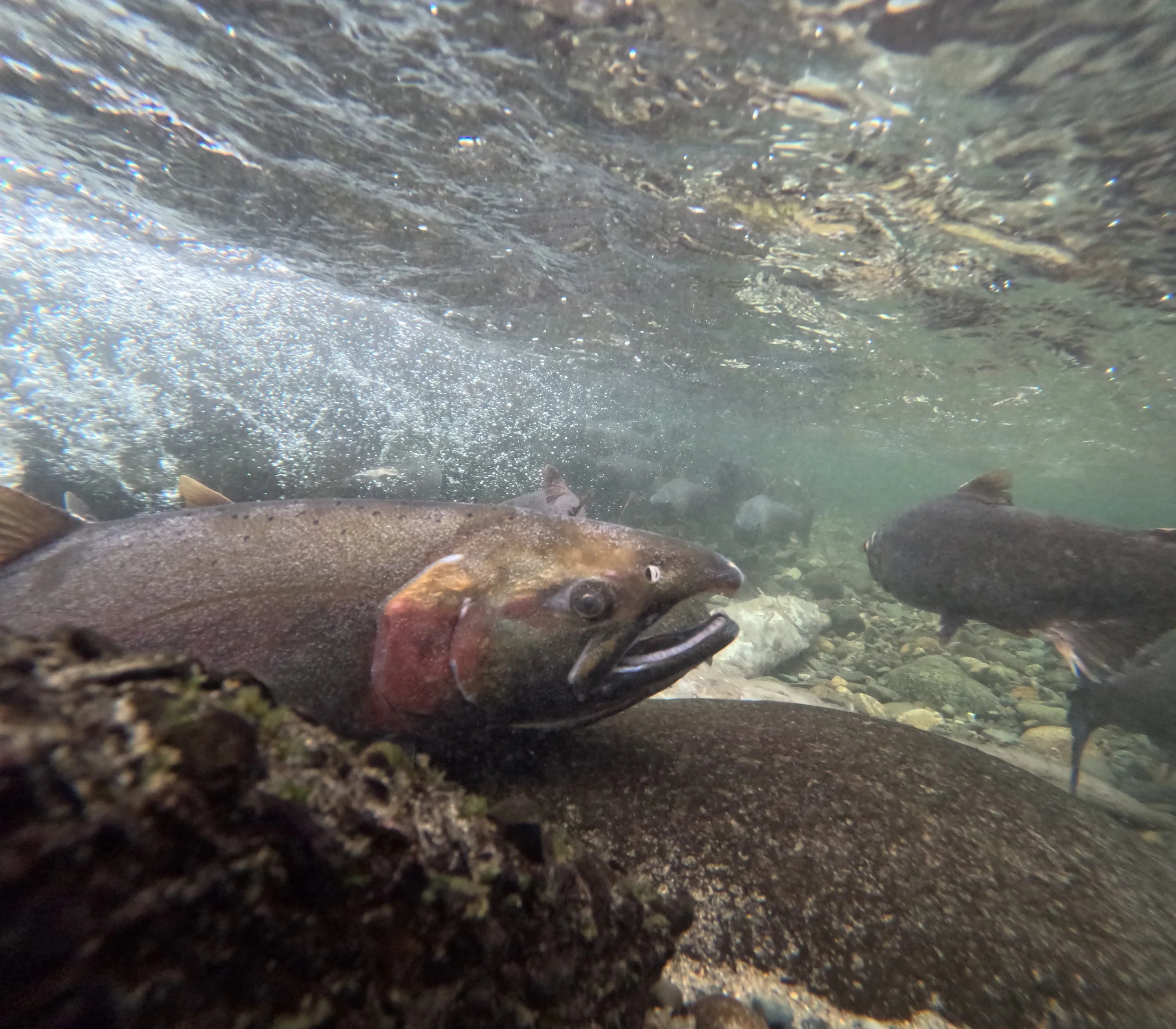
Salmon understand this better than we do. Their lives are written in water, from gravel bed to open ocean and back again. They are born in streams shaped by forests, migrate through rivers shaped by mountains, and feed in seas shaped by currents. When they return, they bring the ocean with them—nutrients carried upstream in muscle and bone, feeding trees that will one day shade the next generation of water.
This cycle is not poetic metaphor; it is literal exchange. Forests grow taller where salmon return. Streams run richer. The boundary between land and sea blurs, revealed as artificial. Everything is connected by movement.
When those movements are interrupted, the consequences ripple outward. Logging roads change drainage patterns. Clearcuts accelerate runoff. Culverts block passage. Dams flatten hydrographs and erase seasonal cues. Each intervention may seem small in isolation, but water keeps score. It remembers every shortcut forced upon it, every obstruction placed in its path.